Create an Etsy Store
Unlock your creative potential and dive into the world of entrepreneurship! This step-by-step guide will show you how to create an Etsy store with ease.
Understanding Etsy: What Makes It Unique?
Etsy is a unique marketplace that stands out in the crowded e-commerce landscape for its focus on handmade, vintage, and craft supply items. Unlike general e-commerce platforms like Amazon and eBay, Etsy offers a specialized shopping experience tailored to buyers seeking unique, artisanal, and often one-of-a-kind products. This distinct focus attracts a dedicated audience of creative individuals, collectors, and those looking for custom-made goods, making it an ideal platform for artisans and small business owners.
One of the key features that sets Etsy apart is its community-oriented approach. The platform fosters a sense of connection between buyers and sellers, encouraging interaction through personalized communication and custom orders. This community aspect not only enhances the shopping experience but also helps sellers build loyal customer bases. Furthermore, Etsy provides various tools and resources to support sellers in growing their businesses, from marketing tips to analytics, creating a supportive environment for entrepreneurship.
Etsy’s commitment to sustainability and ethical practices also appeals to a growing demographic of conscious consumers. The platform promotes eco-friendly products and supports small-scale artisans, aligning with the values of buyers who prioritize sustainability and ethical shopping. This alignment with contemporary consumer values, combined with its niche focus, community spirit, and supportive resources, makes Etsy a unique and attractive platform for both sellers and buyers.
Setting Up Your Etsy Account: A Step-by-Step Process
Creating an Etsy account is the first step toward establishing your online store. Begin by visiting Etsy’s homepage and clicking on the “Sell on Etsy” button. You will be prompted to create an account using your email address or by connecting through Facebook or Google. Once your account is set up, you’ll need to complete your profile by adding a profile picture, a brief bio, and other relevant details to make your account look professional and inviting.
Next, you will move on to setting up your shop. Start by choosing your shop’s language, country, and currency. Then, you’ll need to select a unique shop name. Your shop name should reflect your brand and the types of products you sell, while also being easy to remember. Etsy provides a search function to check the availability of your desired shop name. Once your shop name is finalized, you’ll be guided through the process of setting up your shop’s policies, including payment methods, shipping options, and return policies.
After setting up your shop’s policies, it’s time to add your first product listings. Etsy will prompt you to create your first listing by uploading high-quality photos of your product, writing a detailed description, and setting a price. You can also add tags and categories to help buyers find your products. Remember, the more detailed and accurate your listings are, the more likely you are to attract potential customers. Once you’ve completed your first listing, your shop is officially open for business!
Choosing Your Niche: Finding the Right Products to Sell
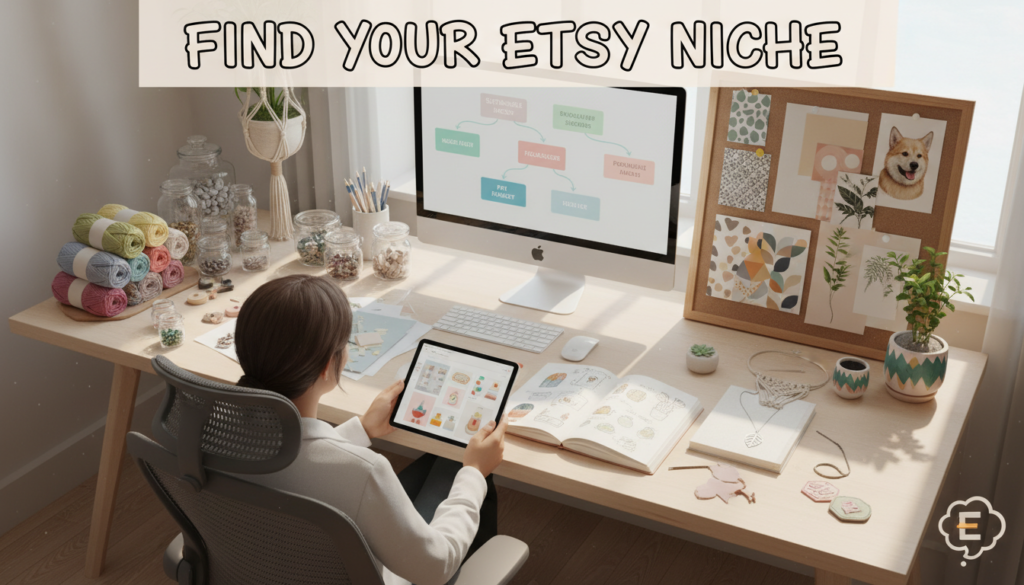
Choosing the right niche is crucial for the success of your Etsy store. Start by considering your passions and skills. What do you enjoy making? What are you good at? Your niche should align with your interests and expertise, as this will make the process of creating and selling products more enjoyable and sustainable. For example, if you have a talent for knitting, you might consider selling handmade scarves, hats, and gloves.
Conducting market research is also essential when choosing your niche. Look at what other sellers are offering on Etsy and identify any gaps in the market. Use Etsy’s search function to explore different categories and see what types of products are popular. Pay attention to the number of listings, the quality of the products, and the prices. This will give you an idea of what buyers are looking for and help you identify a niche that has demand but isn’t oversaturated.
Once you’ve identified a potential niche, test your products by creating a few samples and listing them on Etsy. Monitor the response from buyers and make adjustments as needed. Consider seeking feedback from friends, family, or online communities to refine your products. Remember, finding the right niche may take some time and experimentation, but it’s worth the effort to ensure your products resonate with your target audience and stand out in the marketplace.
Crafting Your Brand: Store Name, Logo, and Aesthetic
Crafting a strong brand is essential for establishing a memorable and professional Etsy store. Start with your store name, which should reflect your products and brand identity. Your store name should be unique, easy to remember, and relevant to your niche. Once you have chosen a name, create a logo that visually represents your brand. Your logo should be simple, eye-catching, and versatile enough to be used across different platforms and marketing materials.
In addition to your store name and logo, your brand’s overall aesthetic plays a crucial role in attracting and retaining customers. Your store’s aesthetic includes the visual elements of your product listings, such as photography, color schemes, and design elements. Use high-quality photos that showcase your products in the best light, and maintain a consistent style across all your listings. This consistency helps create a cohesive and professional look for your store, making it more appealing to potential buyers.
Don’t forget to communicate your brand’s story and values through your shop’s “About” section and product descriptions. Share the inspiration behind your products, your creative process, and what sets your brand apart from others. This personal touch helps build a connection with your customers and adds authenticity to your brand. Remember, a strong brand identity not only attracts customers but also builds trust and loyalty, contributing to the long-term success of your Etsy store.
Listing Your Products: Tips for Writing Effective Descriptions
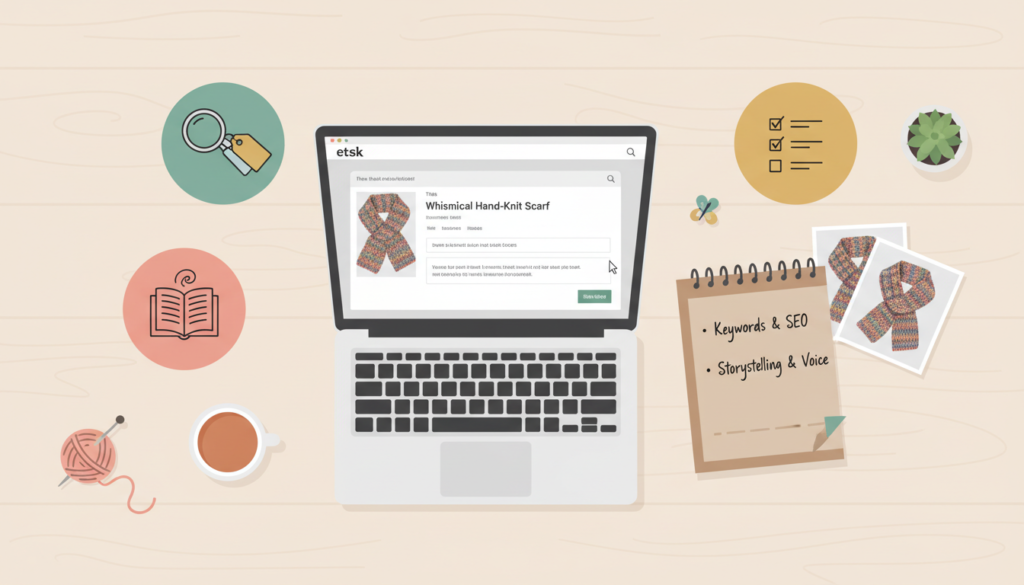
Creating compelling product listings is crucial for attracting buyers and driving sales. Start with a clear and concise product title that includes relevant keywords to help buyers find your products. Your title should accurately describe the item and highlight its key features. For example, instead of simply writing “Necklace,” use a more descriptive title like “Handmade Sterling Silver Pendant Necklace with Turquoise Gemstone.”
Next, focus on writing detailed product descriptions that provide all the necessary information a buyer needs to make a purchase decision. Begin with a brief overview of the product, highlighting its unique features and benefits. Then, include specific details such as dimensions, materials, colors, and any customization options. Be honest and transparent about your products to build trust with your customers. Use bullet points to make the information easy to read and absorb.
In addition to providing factual information, use your product descriptions to tell a story and evoke emotions. Describe the inspiration behind the product, how it’s made, and how it can be used or worn. Use descriptive language to paint a vivid picture in the buyer’s mind. Remember, your product descriptions should not only inform but also engage and persuade potential customers to make a purchase. Combining clear, detailed information with storytelling and emotional appeal will help you create effective product listings that drive sales.
Pricing Your Items: Strategies for Competitive Pricing
Setting the right price for your products is a balancing act that requires careful consideration. Start by calculating the cost of materials, labor, and overhead expenses to determine the base cost of your products. This will give you a clear understanding of the minimum price you need to charge to cover your costs and make a profit. Remember to factor in Etsy fees and shipping costs as well.
Next, research the market to see what similar products are selling for on Etsy and other marketplaces. This will give you an idea of the price range for your niche and help you position your products competitively. Consider the quality of your products, your brand’s reputation, and any unique features or benefits that set your items apart. If your products are of higher quality or offer unique value, you can justify a higher price point.
Don’t forget to consider your target audience and their willingness to pay. Your pricing strategy should align with your brand and appeal to your ideal customers. You can also experiment with different pricing strategies, such as offering discounts, bundling products, or creating limited edition items. Monitor your sales and customer feedback to evaluate the effectiveness of your pricing strategy and make adjustments as needed. Remember, finding the right price point is key to maximizing your profits while remaining competitive in the marketplace.
Optimizing Your Listings for SEO: Keywords and Tags
Optimizing your product listings for search engines is essential for increasing visibility and attracting more buyers. Start by conducting keyword research to identify the terms and phrases potential customers are using to search for products like yours. Use tools like Google Keyword Planner, Etsy’s search bar, and other keyword research tools to gather a list of relevant keywords.
Incorporate these keywords strategically into your product titles, descriptions, and tags. Your product title should include the primary keyword, while your description should naturally incorporate secondary keywords and related phrases. Avoid keyword stuffing, as this can make your listings look spammy and negatively impact your search rankings. Instead, focus on creating clear, informative, and engaging content that naturally includes your target keywords.
Tags are another important aspect of Etsy SEO. Etsy allows you to add up to 13 tags to each listing, so use this opportunity to include a variety of relevant keywords and phrases. Think about different ways buyers might search for your products, including synonyms, variations, and long-tail keywords. Regularly review and update your keywords and tags based on performance data and changing trends to ensure your listings remain optimized and continue to attract potential buyers.
Marketing Your Etsy Store: Social Media and Beyond

Marketing your Etsy store is crucial for driving traffic and increasing sales. Start by leveraging social media platforms to promote your products and connect with potential customers. Create profiles on popular platforms like Instagram, Facebook, Pinterest, and Twitter, and regularly post engaging content that showcases your products. Use high-quality images, videos, and stories to capture the attention of your audience and highlight the unique features of your products.
In addition to social media, consider other marketing strategies to reach a broader audience. Collaborate with influencers and bloggers in your niche to gain exposure and credibility. Offer them free products in exchange for reviews or features on their platforms. You can also participate in online communities and forums related to your niche to share your expertise and promote your store. Networking with other Etsy sellers and attending craft fairs or local markets can also help you build connections and attract new customers.
Email marketing is another effective way to stay in touch with your customers and keep them informed about new products, promotions, and updates. Collect email addresses through your Etsy store or social media profiles and send regular newsletters with valuable content and exclusive offers. Consider offering discounts or incentives to encourage repeat purchases and build customer loyalty. By diversifying your marketing efforts and consistently engaging with your audience, you can increase your store’s visibility and drive sales.
Managing Orders and Customer Service: Best Practices
Providing excellent customer service is essential for building a positive reputation and ensuring the success of your Etsy store. Start by setting clear expectations with your customers through detailed product descriptions, accurate shipping times, and transparent policies. Make sure to communicate any delays or issues promptly and professionally to keep your customers informed and satisfied.
When managing orders, it’s important to stay organized and efficient. Use Etsy’s order management tools to keep track of incoming orders, processing times, and shipping dates. Create a system for managing your inventory and restocking supplies to ensure you can fulfill orders promptly. Consider using shipping software or services that integrate with Etsy to streamline the shipping process and provide tracking information to your customers.
Handling customer inquiries and issues promptly and professionally is key to maintaining a positive reputation. Respond to messages and inquiries within 24 hours and be polite, helpful, and empathetic. Address any issues or complaints with a solution-oriented approach and offer refunds or replacements when necessary. Encourage satisfied customers to leave positive reviews and consider following up with a thank-you message or a small discount on their next purchase. By providing excellent customer service, you can build trust, foster loyalty, and encourage repeat business.
Analyzing Your Performance: Tools and Metrics for Success
Regularly analyzing your store’s performance is crucial for identifying areas of improvement and making informed decisions. Start by using Etsy’s built-in analytics tools to track key metrics such as views, visits, orders, and revenue. These metrics provide valuable insights into your store’s performance and help you understand which products are most popular and which marketing strategies are most effective.
In addition to Etsy’s analytics, consider using third-party tools like Google Analytics to gain deeper insights into your website traffic and customer behavior. Google Analytics can help you track where your traffic is coming from, how long visitors are staying on your site, and which pages they are visiting. This information can help you optimize your marketing efforts and improve the user experience on your Etsy store.
Regularly review your performance data and set specific, measurable goals for your store. Identify trends and patterns in your sales data to understand what is working and what needs improvement. Use this information to make data-driven decisions about product listings, pricing strategies, marketing efforts, and customer service practices. By continuously analyzing your performance and making adjustments as needed, you can ensure the long-term success of your Etsy store.
Unlocking your creative potential and diving into the world of entrepreneurship with an Etsy store can be a rewarding and fulfilling experience. By following this step-by-step guide, you can set up a successful Etsy store, attract customers, and grow your business. Remember, building a successful Etsy store takes time, effort, and dedication, but with the right strategies and a passion for your craft, you can achieve your entrepreneurial dreams. Happy selling!
How to Organize SVG Files and Manage Hundreds of SVG Files Efficiently – Free SVG Files for Cricut
20 Funny SVG Quotes – Free SVG Files for Cricut
50 Free SVG Files for Cricut – Funny, Coffee, Dog & Holiday SVG Designs – Free SVG Files for Cricut